Boxing Day Sales injuries: the first aid you didn’t know you needed
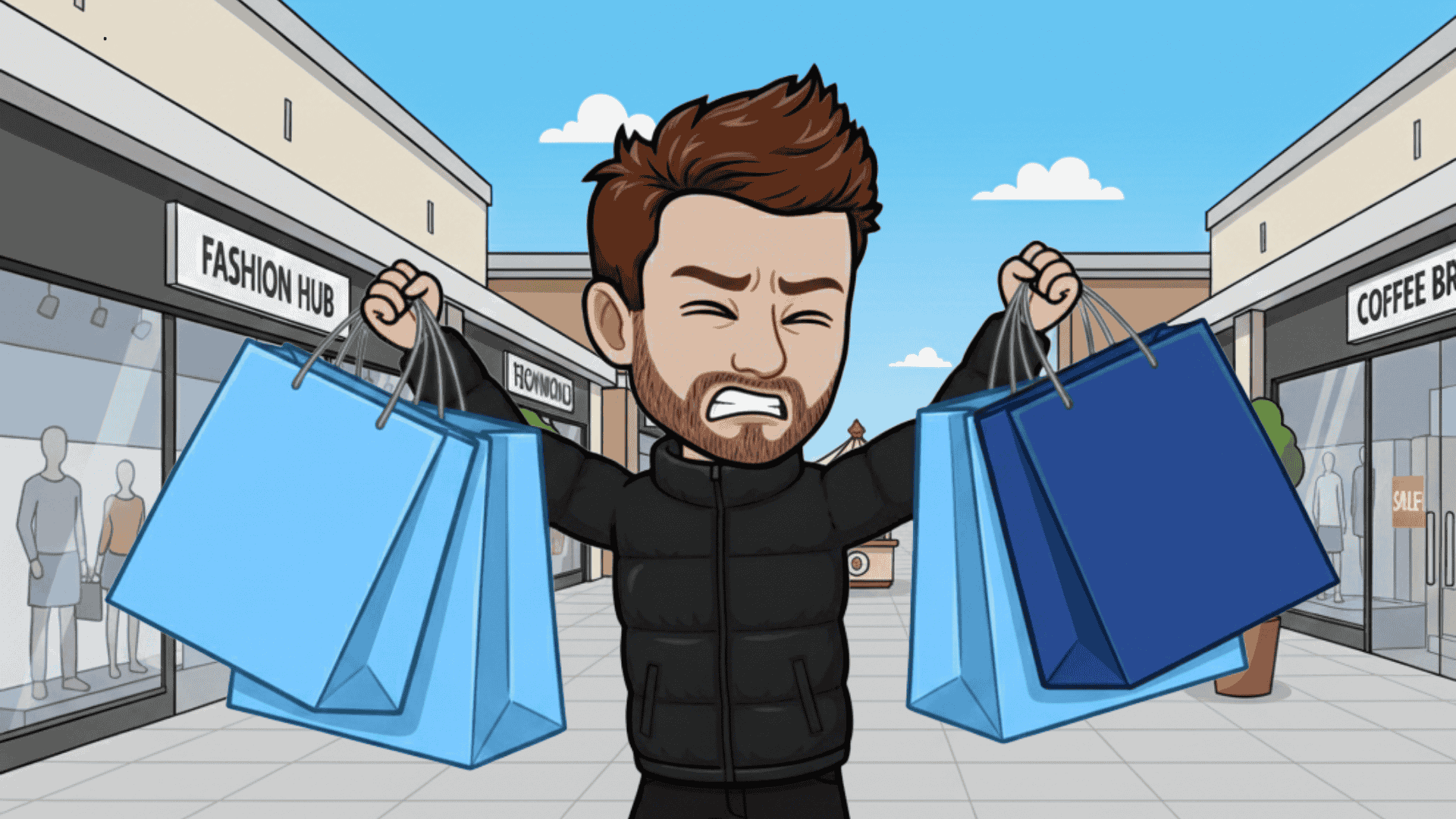
Boxing Day sales are known as a sport in Australia. Early alarms. Long queues. Crowded shopping centres. Arms full of bags. Summer heat.
In 2025, 10,000 people flocked to Harbourtown in Adelaide! And while most people went home with bargains, many also walked away with injuries that could have been managed early with basic first aid knowledge.
We’re taking a look at the five most common injuries that can occur during the Boxing Day sales.
If you shopped, worked retail or spent the day navigating packed centres, chances are you saw at least one of these.
Slips, trips and falls
Shopping centres on Boxing Day were a perfect storm: polished floors, spills, prams, trolleys and people stopping suddenly.
Common injuries seen
Rolled or twisted ankles
Wrist injuries from breaking a fall
Bruising
Suspected fractures
Sprained ankle
Most ankle injuries fall under soft tissue injuries.
Whether it’s twisted ankle first aid or rolled ankle first aid you need, the answer can be found in the RICER acronym.
What is RICER in first aid?
RICER is a first aid management approach for soft tissue injuries.
The RICER acronym stands for:
R – Rest: Activity should stop immediately
I – Ice: Ice needs to be applied for 20 minutes every 2 hours; wrapped and not directly on skin
C – Compression: Firm bandaging to help limit swelling
E – Elevation: The injured limb should be elevated
R – Referral: Medical review needs to be sought if pain, swelling or loss of movement continues
Back and muscle strains
Not all Boxing Day injuries are dramatic. Many develop slowly through poor lifting, uneven loads and fatigue. From carrying multiple heavy bags on one side and awkward lifting into car boots to standing and walking for long periods, strains are a common shopping injury.
Signs and symptoms of a sprain or strain
Pain
Swelling
Bruising
Loss of power
Tenderness
Muscle spasm
Heat exhaustion and dehydration
Despite air conditioning, heat exhaustion and dehydration still occur, especially with long queues, stress and poor fluid intake.
What is heat exhaustion?
Heat reduced illnesses, also known as hyperthermia, may be caused by:
Excessive heat absorption from a hot environment
Excessive heat production from metabolic activity
Failure of the body’s cooling mechanisms
An alteration in the body’s set temperature
Heat exhaustion signs and symptoms
You may find yourself becoming hot, sweaty and breathless but also:
High body temperature
Dizziness and faintness
Nausea, vomiting or diarrhoea
Pale, dry skin
Poor muscle control or weakness
Decreasing levels of consciousness, confusion or seizure
First aid for heat exhaustion
The person should be moved to a cool, shaded or air conditioned area and should lay down
Loosen and remove any excess clothing
Active cooling used (fans, cool cloths)
Apply ice packs
Cuts, blisters and minor wounds
Minor injuries would be the most common Boxing Day casualties and also the most likely to be ignored.
Common injuries include:
Blisters from new footwear
Paper cuts
Small lacerations from boxes and packaging
Head injuries or being knocked over in crowds
Crowd surges, escalators, door openings and flash sales led to people being knocked over.
Head injury signs and symptoms
Change in consciousness
Headache
Nausea and vomiting
Dizziness
Head injury first aid
It’s advised that all casualties who have sustained a head injury, be assessed by a medical professional given the serious nature and impact of concussions.
If there has been a loss of consciousness or altered consciousness at any time, call 000
Follow DRSABCD
Protect the casualty’s neck whilst maintaining a clear airway
Identify and control any significant bleeding with direct pressure if possible
If unresponsive and not breathing, commence CPR
Keep safe when the next sales hit
Boxing Day may be over but the injuries didn’t magically stop at 5pm.
Sprains still need care. Heat illness can worsen hours later. Minor wounds can still become infected.
First aid training isn’t about ticking a box. It’s about knowing what to do when everyday chaos turns into an emergency.
And Boxing Day proves that emergencies don’t wait for convenient moments which is why doing a first aid course with us means learning skills you’ll actually remember when real life happens.
Boxing Day injuries FAQs
-
Rest, Ice, Compression, Elevation, Referral.
-
Cooling, hydration, rest and escalation if symptoms worsen.
-
Loss of consciousness, suspected fractures, crush injuries, heat stroke, or breathing difficulties.